The Caregiver's Own Chart: A Preventive Health Framework for Adult Children
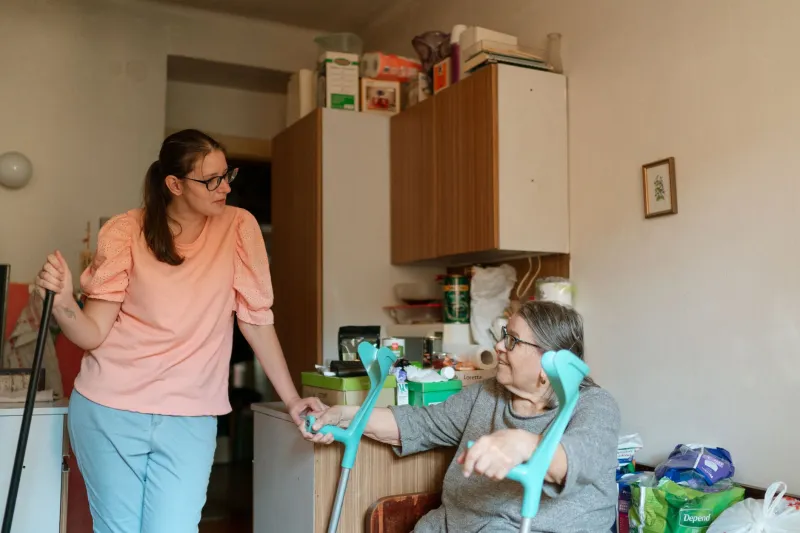
As 2026 draws to a close, many families will review the year through a calendar filled with other people's appointments: a parent's cardiology visit, a pharmacy refill, a home aide's schedule, a Medicare enrollment deadline. The caregiver's own physical exam is often the line item that gets moved to next month, then next season. Preventive care feels optional until it no longer is. This is not a scolding. It is a framework for families who have made someone else's health the center of gravity and need a practical way to bring their own health back into view.
The quiet erosion of the caregiver's health
Family caregiving is often described as a labor of love, which is true but incomplete. It is also a sustained demand on sleep, attention, physical capacity, and emotional reserve. Research on caregivers consistently points to elevated rates of stress, anxiety, depression, sleep disruption, social isolation, and delayed personal medical care. The risk is rarely a single dramatic event. It accumulates in small omissions: a blood pressure reading not taken, a colonoscopy deferred, a persistent backache ignored, a therapy appointment canceled because a parent had a bad week.
Caregivers frequently normalize their own symptoms because another person's needs appear more urgent. A parent with dementia may require near-constant supervision. A parent recovering from surgery may need help with transfers, medications, and transportation. In that environment, the caregiver's headache, fatigue, or low mood can seem like background noise. Over time, background noise can become the primary problem.
What the evidence suggests, and what it means at home
The health risks of caregiving are both direct and indirect. Direct risks include injury from lifting or assisting with mobility, disrupted sleep, and untreated chronic conditions. Indirect risks include missed preventive screenings, poor nutrition, reduced physical activity, and isolation from friends and community. Mental health deserves particular attention. Caregiver stress can resemble a slow leak: manageable at first, then corrosive to sleep, concentration, and decision-making.
This does not mean every caregiver will become ill. It means the caregiver's health deserves the same systematic attention that families typically give to a parent's medication list or discharge instructions. A clinician can help assess personal risk and recommend appropriate screenings. The goal is not perfect self-care. The goal is a reliable minimum that survives a difficult caregiving season.
A preventive schedule that fits a caregiving life
A preventive plan should be realistic, not aspirational. The following cadence is a starting point for discussion with a primary care clinician, who can adjust it for age, family history, and personal risk.
Annual anchor visit. Schedule one primary care appointment each year and treat it as nonnegotiable. Ask for a preventive visit rather than waiting for an illness. Bring a written list of symptoms, medications, and caregiving demands. If possible, schedule this appointment in the same phone call as a parent's routine visit, so it is harder to cancel.
Age- and risk-based screenings. Colorectal cancer screening, breast cancer screening, cervical cancer screening, lung cancer screening for eligible smokers, bone density testing, and prostate cancer discussions should be guided by current recommendations and shared decision-making with a clinician. The exact timing depends on age, family history, and prior results. The important step is to know which screenings are due and put them on the calendar.
Vaccinations. Influenza, COVID-19, tetanus, shingles, and pneumococcal vaccines should be reviewed at least annually. Caregivers of older adults may have additional exposure risks, and vaccination protects both the caregiver and the person receiving care.
Dental and vision care. Dental exams and cleanings every six months, along with vision checks, are easy to postpone and important to maintain. Oral health and vision affect nutrition, medication management, and driving safety.
Mental health check. An annual depression and anxiety screening is reasonable, especially for caregivers. If sleep is persistently disrupted, if alcohol use has increased, or if hopelessness appears, seek professional support sooner rather than waiting for the annual visit.
Movement and sleep. These are not appointments, but they function like preventive medicine. A short daily walk, safe lifting techniques, and a consistent sleep routine are practical defenses against injury and exhaustion. Caregivers who provide hands-on assistance should ask a clinician or physical therapist about safe transfer techniques.
The backup care plan you build before you need it
Preventive care requires time away from caregiving, which means backup care cannot be improvised during a crisis. Build a written plan now. Identify two or three people who can step in for a few hours, even if they are not family. Prepare a one-page care summary with medications, providers, insurance information, emergency contacts, and daily routines. Keep it where a backup caregiver can find it.
Paid backup options deserve a place in the plan as well. Home care agencies can provide short shifts, and adult day programs can offer structured supervision and social contact. Local Area Agencies on Aging can explain respite options and eligibility. The Eldercare Locator, a public service of the Administration for Community Living, can connect families with local resources at 1-800-677-1116. Employers may offer employee assistance programs, flexible scheduling, or leave under the Family and Medical Leave Act where eligible.
A backup plan is not a luxury. It is preventive care for the caregiver's nervous system.
Small respite that actually counts
Respite is often framed as a vacation, which makes it feel impossible. In practice, smaller breaks can be more sustainable. A scheduled two-hour block each week, a fifteen-minute walk without a phone, a telehealth therapy session during a parent's nap, or a monthly coffee with a friend can reduce isolation and restore perspective. The key is to schedule respite as an appointment rather than waiting for spare time.
Adult day services, hired home care for a few hours, and help from a trusted neighbor can create breathing room. Some communities offer caregiver support groups, respite scholarships, or faith-based volunteer programs. These options vary by location, so local aging agencies are the best starting point.
Paying for your own prevention
Many insurance plans cover preventive services without cost sharing, though coverage varies. Medicare covers an annual wellness visit and many screenings for eligible beneficiaries. Caregivers should review their own coverage separately from a parent's Medicare plan. Employer-sponsored insurance, ACA marketplace plans, health savings accounts, and flexible spending accounts may help with eligible expenses. For uninsured caregivers, community health centers and local health departments often provide low-cost preventive care and screenings.
When not to wait
Some symptoms should not be deferred for a calmer week. Chest pain, sudden weakness or numbness, difficulty speaking, severe shortness of breath, or thoughts of self-harm require immediate attention. Call 911 for emergency symptoms, or call or text 988 for the Suicide and Crisis Lifeline. A caregiver who collapses is not helping anyone.
Guilt is not a health plan
Many caregivers feel guilty for taking an hour for themselves, let alone a full appointment. That guilt is understandable, but it is not a strategy. The most compassionate thing a family caregiver can do is remain functional, present, and alive to the work of caring. Preventive care is not a reward for good behavior. It is maintenance for the person holding the plan together.
The caregiver's own chart deserves the same diligence as the parent's. Put the appointment on the calendar. Arrange the backup. Take the smaller break. The family system is stronger when the caregiver is still in it.