Thriving in Your Golden Years: Eight Science-Backed Habits for Healthy Aging After 65

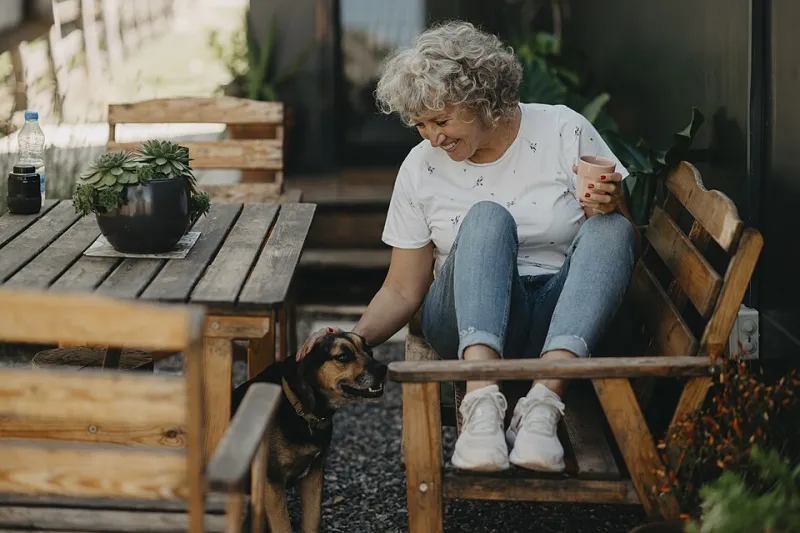
Photo: active senior couple exercising outdoors smiling healthy lifestyle, via c8.alamy.com
There's a difference between adding years to life and adding life to years. Research on aging consistently shows that the habits people adopt in their 60s, 70s, and beyond meaningfully shape independence, cognition, and overall vitality. Better yet, studies suggest it's almost never too late to benefit — even adults who begin exercising or improving their diet in their 80s see measurable gains. Here are eight habits, grounded in current evidence, that help older Americans thrive rather than merely get by.
1. Build and Maintain Muscle Strength
Muscle loss accelerates with age — a condition called sarcopenia — and it's a leading driver of falls, frailty, and loss of independence. The countermeasure is resistance training. The CDC and the Physical Activity Guidelines for Americans recommend muscle-strengthening activities at least twice weekly for adults of all ages.
Practical starting points: chair squats, wall push-ups, resistance bands, or light dumbbells. Many senior centers, YMCAs, and community colleges offer low-cost strength classes designed for older adults. Those with Medicare Advantage plans may even have access to fitness programs such as SilverSneakers at no additional cost — a benefit worth checking before paying out of pocket.
2. Prioritize Balance and Fall Prevention
Falls remain the leading cause of injury among Americans over 65, but they are not an inevitable part of aging. Balance-focused activities such as tai chi have strong research support for reducing fall risk. Simple home modifications — grab bars in bathrooms, better lighting on stairways, removing loose rugs — compound the benefit.
3. Stay Socially Connected
Loneliness isn't just unpleasant; research has linked chronic social isolation to health risks comparable to smoking. Maintaining friendships, joining faith communities or clubs, volunteering, and even regular video calls with grandchildren all count. For seniors who've recently lost a spouse or moved to a new area, structured programs — senior centers, community education classes, or intergenerational mentoring — provide built-in connection.
4. Challenge the Brain Regularly
Cognitive engagement appears to build what researchers call cognitive reserve. Learning a language, playing an instrument, doing puzzles, or picking up a new hobby stimulates neural pathways. Variety matters more than intensity — novelty is what keeps the brain adapting.
5. Protect Sleep Quality
Sleep changes with age, but poor sleep should not be accepted as normal. Consistent bed and wake times, limiting late-afternoon caffeine, keeping bedrooms cool and dark, and addressing snoring or daytime fatigue with a physician all support restorative rest. Persistent insomnia deserves medical attention, since untreated sleep problems are linked to memory issues and mood decline.
6. Eat for Strength and Heart Health
Evidence points toward Mediterranean-style eating patterns — vegetables, fruits, whole grains, fish, olive oil, and nuts — for supporting heart and brain health. Adequate protein deserves special attention in older adults, since it helps preserve muscle. A useful rule of thumb: include a protein source at every meal, and discuss vitamin D or B12 needs with a doctor, as absorption of both declines with age.
7. Don't Skip Preventive Screenings
Preventive care is one of the most underused advantages available to seniors. Medicare covers a broad set of preventive services — including annual wellness visits, screenings for colorectal cancer, breast cancer, diabetes, osteoporosis, and cardiovascular risk, plus vaccinations for flu, shingles, pneumonia, and RSV. Many of these carry no out-of-pocket cost when billed properly.
Families can help by keeping a simple screening calendar and accompanying loved ones to appointments. The annual Medicare Wellness Visit, in particular, is an opportunity to review medications, cognition, and fall risk — conversations that often get squeezed out of sick visits.
8. Move Throughout the Day, Not Just in Workouts
Beyond formal exercise, daily movement matters. Research on sedentary behavior suggests long stretches of sitting carry their own risks, even for people who exercise. Walking after meals, gardening, standing up hourly, and parking farther from store entrances all add up. A pedometer or simple step counter can turn this into a gentle, motivating game.
Starting Small — and Starting Now
No one needs to adopt all eight habits overnight. Pick one — a weekly strength class, a daily walk with a neighbor, scheduling that overdue wellness visit — and build from there. Family members can support the effort by offering rides to appointments, joining in activities, and celebrating consistency over intensity.
Aging well isn't about defying the calendar. It's about giving the body and mind what they need to keep participating fully in life. And according to the science, the best time to start is today — whatever today's age happens to be.