The Household's Hidden Single Point of Failure: A Spousal Care Contingency Plan for Aging Couples

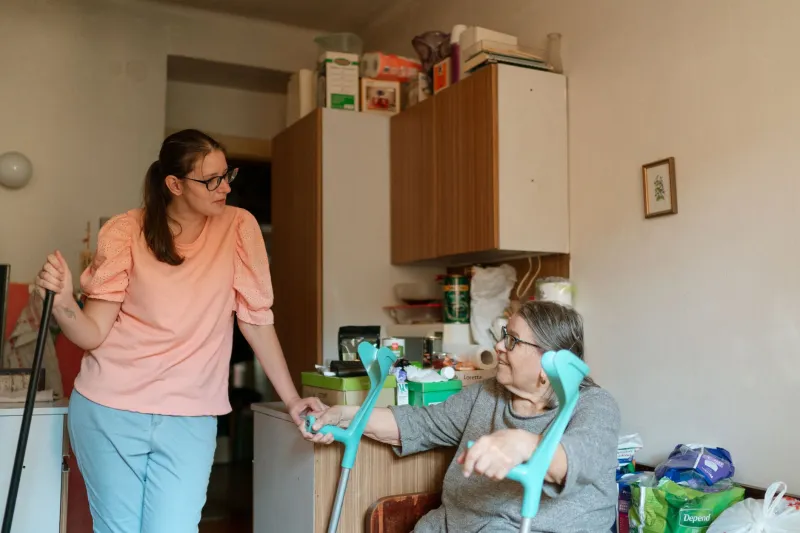
Photo by Photo by Vitaly Gariev on Unsplash on Unsplash
Most care plans focus on the person who needs help. Far fewer focus on the person providing it—especially when that provider is a spouse. In many older households, one partner quietly becomes the scheduler, medication manager, driver, cook, and emotional anchor. The arrangement can feel efficient, even loving. It can also leave the couple dangerously exposed, because the entire care system depends on one person remaining available.
A spousal care contingency plan is not a sign of distrust or disloyalty. It is a practical acknowledgment that illness, injury, and exhaustion do not check the family calendar. The goal is simple: if the primary spousal caregiver is suddenly hospitalized, injured, or called away, the household should not have to improvise from scratch.
Why Spousal Care Is Structurally Fragile
Spousal caregiving often carries an invisible workload. One partner may know which pill is taken with breakfast, which doctor prefers a phone call before a visit, and which route to the pharmacy avoids traffic. That knowledge is valuable, but it is also concentrated. When it lives only in one person's head, it becomes a single point of failure.
The risk is not hypothetical. A fall, a cardiac event, a severe infection, or even a planned surgery can remove the well spouse from duty for days or weeks. Adult children may live far away. Neighbors may be willing but unsure what to do. Without written guidance and clear permissions, even capable helpers can hesitate at the moment help is most needed.
Start With the Daily Operating Manual
Begin by documenting the ordinary. The ordinary is what becomes extraordinary in a crisis. Create a shared binder or secure digital folder that includes a current medication list with dosages, times, prescribers, and pharmacy; a schedule of medical appointments and transportation needs; insurance cards and Medicare information; and contact details for physicians, specialists, and home care agencies.
Go beyond the medical facts. Note the household's daily rhythm: wake-up time, meals, bathing routine, mobility assistance, hearing aids, sleep habits, and any safety concerns such as stairs or wandering. Include the names of people who can help with specific tasks—a neighbor who can drive, a friend who can stay for an afternoon, a grandchild who can manage the phone. The document should be factual and plain, not a character sketch. Its purpose is to let a substitute step in without guessing.
Name a Backup—and Give Them Authority
A backup caregiver should be more than a name on a list. The person needs to understand the role and agree to it in advance. That may be an adult child, a trusted relative, a longtime friend, or a professional caregiver. For some families, a geriatric care manager can serve as coordinator, especially when relatives are distant.
Clarify what the backup is authorized to do in a short-term emergency. Can they pick up prescriptions? Speak with a physician? Stay overnight? Make a meal? Knowing the boundaries prevents confusion. It also helps to identify a second backup, because the first person may be unavailable. A local Area Agency on Aging can help families locate paid backup support and respite services.
Put Legal and Financial Permissions in Place
Good intentions cannot substitute for legal authority. At minimum, the couple should review a HIPAA authorization so health providers can speak with designated family members or helpers. They should also confirm that durable powers of attorney for finances and health care are current, and that advance directives reflect the care recipient's wishes. A healthcare proxy should be named and willing to serve.
Financial access deserves careful thought. The backup may need to pay a home aide, buy groceries, or cover a prescription. Families should determine in advance how bills will be paid and whether a trusted person has limited, monitored access to accounts. This is not about surrendering control; it is about preventing a short-term crisis from becoming a long-term financial problem.
Build the Emergency Kit and the Communication Tree
Keep a small emergency kit with copies of essential documents, a medication list, insurance cards, a phone charger, house keys, and a written summary of the care routine. Store it where both spouses and the backup can find it. In a digital version, use a shared folder that at least two trusted people can access.
Create a simple communication tree. The primary caregiver's first call in an emergency should not be a debate about whom to notify. Decide who calls the backup, who calls the pharmacy, who calls the primary care physician, and who updates other family members. A short written list can prevent duplicated calls and missed information.
Rehearse the Plan Before You Need It
A plan that has never been tested is only a hope. Choose a low-stakes day and let the backup handle one routine task—a pharmacy pickup, a meal, or an afternoon visit. Use the experience to correct the binder, update phone numbers, and clarify misunderstandings. If the care recipient uses a walker, oxygen, or a special diet, make sure the backup knows where supplies are kept and how to use them.
Families should also discuss temporary respite care before an emergency. A short planned stay in an adult day program or an assisted living respite unit can give the well spouse a rest and give the couple confidence that a backup arrangement works. In 2026, many Area Agencies on Aging and local nonprofits continue to offer caregiver support programs and referrals.
The Conversation Is the Plan
The hardest step is often the first conversation. It may feel like admitting that one spouse cannot always be there. Frame it as household maintenance rather than a verdict on anyone's health. Ask: If you were out of commission for two weeks, what would the other person need to know first? The answer usually reveals the plan's true priorities.
At Matrix Health & Care, we believe compassionate care includes preparing for the unplanned. A spousal care contingency plan does not diminish the bond between partners. It protects it. By writing down the routines, naming the backup, securing the permissions, and practicing the handoff, a couple can face a crisis knowing that the household is not held together by one person alone.